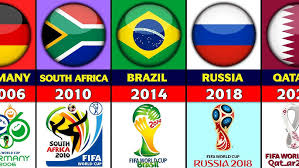

The FIFA World Cup 2026 is set to become one of the most historic and expanded editions of the football World Cup ever organized. Hosted jointly by the United States, Canada, and Mexico, this tournament will bring together more teams, more matches, and more excitement than any previous edition. Football fans around the world are eagerly waiting for this mega event, as it will mark a new era in international football with an expanded format of 48 teams for the first time in history.
This World Cup is not just another sporting event; it represents global unity, cultural exchange, and the passion of billions of fans who follow the sport. With world-class stadiums, advanced technology, and massive global broadcasting coverage, the 2026 World Cup is expected to break all previous records in viewership and attendance.
1. Hosts of the World Cup 2026
One of the most exciting aspects of the tournament is its unique hosting arrangement. For the first time in history, three countries will jointly host the World Cup:
- United States
- Canada
- Mexico
This North American partnership was chosen because of its excellent infrastructure, modern stadiums, and strong football culture. The United States will host the majority of matches, including the final, while Canada and Mexico will also host important group-stage and knockout games.
Each host country is preparing extensively by upgrading stadiums, transportation systems, and security arrangements to welcome millions of fans from across the globe.
2. Expanded Format – 48 Teams
The 2026 edition will feature a major change in format. Instead of 32 teams, the tournament will include 48 national teams, making it the largest World Cup in history.
Key changes include:
- More teams from Asia, Africa, and CONCACAF will qualify
- A new group stage format with 12 groups of 4 teams
- Top teams from each group plus best third-placed teams will advance to knockout rounds
This expansion gives smaller football nations a chance to compete on the world stage, increasing global representation and competitiveness.
3. Qualification Process
The qualification process for the FIFA World Cup 2026 qualification is longer and more competitive than ever before. Each continent has been allocated more slots:
- UEFA (Europe): More qualifying spots due to strong football nations
- CAF (Africa): Increased representation for African teams
- AFC (Asia): More opportunities for emerging football nations
- CONMEBOL (South America): Traditional powerhouses continue dominance
- CONCACAF: Extra advantage as co-host region
This system ensures a more global representation and allows underdog teams to shine on the biggest stage.
4. Stadiums and Infrastructure
The 2026 World Cup will be played across more than 16 cities in North America. Some famous stadiums include:
- MetLife Stadium (USA)
- SoFi Stadium (USA)
- Estadio Azteca (Mexico)
- BC Place (Canada)
These stadiums are being upgraded with modern seating, high-tech VAR systems, and eco-friendly facilities. The goal is to provide a world-class experience for both players and fans.
5. Technology in World Cup 2026
Technology will play a major role in this tournament. FIFA is expected to introduce:
- Advanced VAR (Video Assistant Referee) systems
- Semi-automated offside technology
- AI-powered match analysis
- Enhanced broadcast experience with 4K and 8K streaming
These innovations will improve fairness, accuracy, and entertainment value for global audiences.
6. Economic and Cultural Impact
The World Cup is not just about football—it is also a massive economic and cultural event. The 2026 edition is expected to:
- Generate billions of dollars in revenue
- Create thousands of jobs
- Boost tourism in host countries
- Promote cultural exchange between nations
Fans traveling from around the world will experience North American culture while sharing their own traditions, making the tournament a global celebration.
7. Teams to Watch
Several national teams are expected to perform strongly:
- Brazil – Always a favorite with rich football history
- France – Strong squad depth and recent success
- Argentina – Defending champions with world-class talent
- England – Young and competitive team
- Germany – Known for tactical strength
- Spain – Technical and possession-based football style
In addition, emerging teams from Africa and Asia may surprise fans with unexpected performances due to the expanded format.
8. Expectations from the Tournament
Fans expect the 2026 World Cup to deliver:
- High-scoring matches due to attacking styles
- Surprising upsets from smaller nations
- Legendary performances from star players
- Record-breaking attendance and viewership
With more matches and teams, the excitement level will be higher than ever before.
FAQs
1. When will the World Cup 2026 take place?
The tournament is scheduled for summer 2026, typically between June and July.
2. How many teams will participate?
A total of 48 national teams will compete.
3. Which countries are hosting the World Cup 2026?
The tournament will be jointly hosted by the United States, Canada, and Mexico.
4. How is this World Cup different from previous editions?
It will feature more teams, more matches, and a new group-stage format.
5. Where will the final match be played?
The final is expected to be held in the United States at a major stadium.
6. Why is the 2026 World Cup special?
It is the first World Cup with 48 teams and three host countries, making it the largest in history.
Conclusion
The FIFA World Cup 2026 is shaping up to be a groundbreaking event in the history of football. With its expanded format, multiple host countries, advanced technology, and global participation, it promises to redefine how the world experiences football.
From passionate fans to legendary players, everyone will come together to celebrate the beautiful game on the biggest stage ever created. The 2026 World Cup is not just a tournament—it is a global festival of sport, unity, and excitement that will be remembered for decades to come.