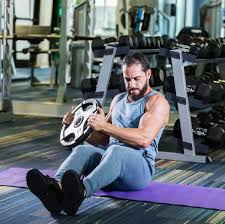

Weighted ab exercises provide a training stimulus that bodyweight core work alone can’t produce for people who have developed past the beginner stage. Understanding which weighted exercises are most effective and how to integrate them into a program produces better core development than defaulting to endless crunches.
Why Weighted Ab Work Matters
ab workouts with added resistance apply the same principle of progressive overload that produces strength and size in other muscle groups to core training. The rectus abdominis, obliques, and deep core stabilizers all respond to increased load over time — which bodyweight exercises struggle to provide once baseline strength is established.
The National Academy of Sports Medicine’s core training resources provide evidence-based guidance on core training programming, including the role of weighted exercises in comprehensive core development programs.
Effective Weighted Core Exercises
Cable crunches (using a rope attachment at a high cable station), weighted decline crunches, hanging leg raises (add ankle weights or a dumbbell between feet), ab wheel rollouts (body weight functions as resistance in this movement), and pallof press variations (anti-rotation core work) are among the most effective weighted core exercises available in most gym settings.
Core Training vs. Visible Abs
Core strength training builds the musculature; visible abs are primarily determined by body fat percentage. The combination of resistance training (including core work), appropriate caloric balance, and consistency produces both outcomes — but the expectation that core exercise alone creates visible abs regardless of body composition is a persistent misconception worth addressing.