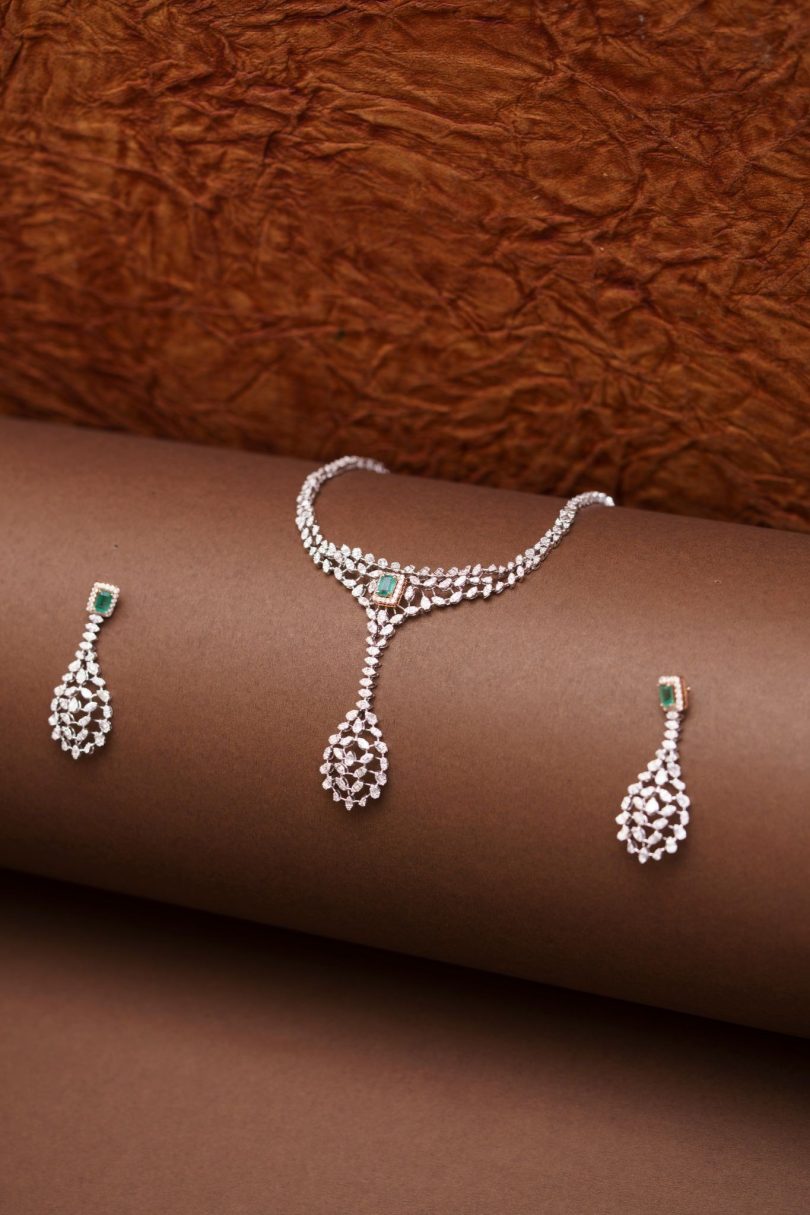

Native jewellery is not just a decoration. To most Indigenous cultures, jewels have served as an effective method of identity, narrative and keeping traditional stories that have been passed through the ages. All of them have a strong connection to land, ancestors, and spirituality, and native jewellery is a piece of art, as well as, a cultural identity.
It is in knowing what the meaning of the native jewellery is that we can appreciate it respectfully and consciously.
What Is Native jewellery?
Native jewellery is the jewellery made by Native people; in many cases, there exists a long-established cultural background of that item. These works are shaped by local values, local resources and religious orientation. Instead of being trendy, native jewellery is closely connected to the past and the experience.
jewellery is worn in the ceremony and social events in normal life. It was commonly a status symbol, achievements or milestones in life. Native jewellery has also been a source through which cultural identity has been maintained over the years despite the shifting social and economic conditions.
The Role of Symbols in Native jewellery
Native jewellery is a significant portion of symbols. They are not used randomly but are applied in a subjective way to create meaning. Numerous symbols depict natural objects such as animals, plants, heavenly bodies and scenery. These symbols may sometimes need to be related to how a community relates to the nature.
To give an example, it is possible to note that animal symbols are an embodiment of strength, protection, guidance, or wisdom. Forms and designs can be a representation of balance, continuity or rapport between the physical and spiritual world. It is a kind of storytelling, and the visual elements can be transferred as the traditions and beliefs can be passed on, not even using written language.
Spiritual and Cultural Significance
Native jewellery is closely associated with spirituality. The Indigenous cultures associate the jewellery as a form of protection or guidance. Some of the works can be used in rituals, healing or significant ceremonies to venerate ancestors or achieve spiritual balance.
The cultural meanings are also incorporated in the manner in which the jewellery is worn and to whom it is permitted to be worn. There may be certain designs or materials that are available to elders or leaders or to some ceremony. This repeats deference to cultural procedures and, in addition, assists the community in uniting.
Materials Used in Native jewellery
Materials used in native jewellery are often taken from the natural environment. Common materials include silver, turquoise, shell, stones, leather and natural fibres. These materials are not only chosen because they are beautiful, but because they have a symbolic and practical meaning.
Turquoise, for example, is widely associated with protection, healing and connection to the sky and water. Shells are often life, movement and the relationship between land and sea. Metals such as silver became more prominent through historical trade and were adopted into traditional designs without losing any cultural meaning.
Connection to the Land
One of the defining characteristics of the native jewellery is its link to the land. Materials are often collected in local areas as they are related to the geography and environment of an area. This connection is thus contributory to the concept that jewellery is not alien to nature but rather an extension of it.
The land holds cultural memory and utilising its resources in a respectful manner is part of the Indigenous knowledge systems. jewellery made from natural materials is a reminder of responsibility to the environment and of the importance of balance between man and nature.
Traditional Craftsmanship and Techniques
Native jewellery is influenced by the traditional craftsmanship that is handed down from generation to generation. Techniques like hand-stamping, stone setting, beadwork and carving involve skill, patience and cultural knowledge. These methods are frequently learned by observing and mentoring as opposed to receiving instructional training.
Each handmade piece is a statement of the individuality of the maker and at the same time represents connections to a shared cultural practise. Slight variations in design or finish are accepted as evidence of authenticity not imperfection. Craftsmanship is valued not only as technical ability, but also as a sign of cultural understanding.
jewellery as Identity and Expression
For Indigenous communities, jewellery is a powerful expression of identity. Wearing native jewellery can communicate belonging, pride and continuity. It enables people to wear their heritage in an identifiable and meaningful way in everyday life.
jewellery can also signify personal milestones such as coming-of-age ceremonies, marriages or leadership positions. These pieces are often heirlooms, passed down within families as a means of preserving memory and lineage.
Adaptation and Contemporary Influence
While native jewellery is based on tradition, it is not static. Many Indigenous artists continue to balance designs according to contemporary experiences while respecting cultural roots. This evolution is one way that traditions can continue to be relevant and alive.
Modern influences may be seen in form, size, or material selection, but the basic symbolism is often still there. This balance between tradition and innovation is reflective of the resilience and adaptability of Indigenous cultures.
Respecting Cultural Heritage
Understanding the indigenous jewellery also means knowing the importance of respect. These pieces are more than accessories but cultural expressions with deep meaning. Wearing or gathering Native jewellery should be done with a sense of awareness of its origin and meaning.
Learning about the symbols, material and traditions behind the jewellery helps avoid the misrepresentation or cultural misunderstanding. Respectful appreciation helps preserve cultural heritage and not reduce it to aesthetics.
Why Native jewellery Still Matters Today
Native jewellery still matters as it helps carry forth the stories that may otherwise be lost. It saves cultural knowledge in visual form and provides a tangible connection between past and present. In a rapidly changing world these pieces are reminders of enduring values like community, respect for nature and ancestral wisdom.
For both Indigenous and non-Indigenous audiences an understanding of the meaning behind native jewellery allows for a deeper connection and appreciation. It highlights the importance of cultural continuity and the role art plays in helping to keep traditions alive.
Conclusion
Native jewellery is much more than a decoration. It is a living example of the symbolism, materials and cultural heritage that generations of Indigenous knowledge have shaped. Each piece is a relationship to land, spirituality and community and thus is rich in meaning and history.
By learning the stories behind native jewellery we go beyond surface-level appreciation. We begin to see these pieces as one carriers of identity, memory and respect. In doing this, native jewellery is not only relevant today, but has a very meaningful place in the world.