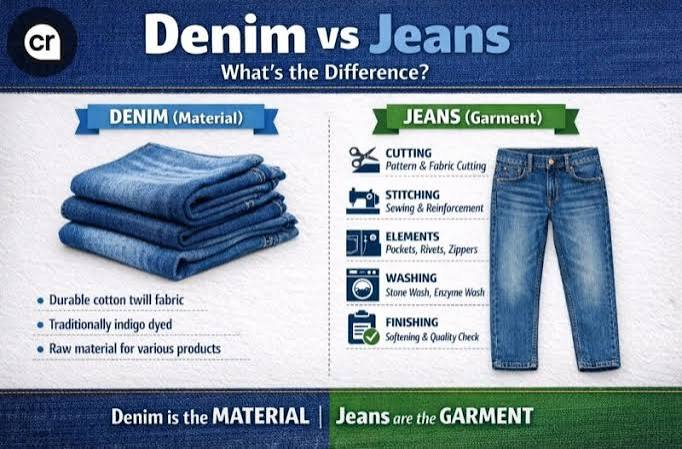

Jeans are one of the most versatile pieces of clothing in almost every wardrobe. They can be dressed up or down, worn throughout different seasons, and styled for everything from everyday errands to casual workplaces.
However, not all jeans are made the same. The difference between premium denim and fast fashion jeans often comes down to fabric quality, construction, fit, durability, and how the product is designed and manufactured.
While fast fashion jeans can be attractive because of their lower price and constantly changing styles, premium denim focuses more heavily on quality, longevity, and thoughtful construction.
1. Fabric Quality and Composition
The fabric is one of the first things that separates premium denim from many fast fashion alternatives.
Fast fashion jeans are often produced with cost efficiency in mind. Manufacturers may prioritize inexpensive materials and lightweight fabrics to keep retail prices competitive. This doesn’t mean every affordable pair is poor quality, but material selection can vary considerably.
Premium denim generally places greater emphasis on the quality and composition of the fabric. Depending on the product, this can include high-quality cotton, organic cotton, recycled fibers, elastane, or other carefully selected materials.
For shoppers looking for Premium men Denim Jeans or Premium women Denim Jeans, checking the actual fabric composition can provide useful insight into how the jeans may perform over time.
A quality fabric should provide an appropriate balance of structure, comfort, flexibility, and shape retention rather than simply feeling thick or heavy.
2. Construction and Stitching
The way jeans are constructed can have a major impact on their lifespan.
Fast fashion production often focuses on producing large quantities quickly. Premium denim, on the other hand, typically places greater emphasis on construction details such as seam strength, stitching consistency, reinforced stress points, pocket construction, and finishing.
Pay particular attention to areas such as the waistband, belt loops, pockets, crotch, and inner seams. These areas experience considerable stress during everyday use.
Strong and consistent stitching can help reduce problems such as loose seams, separated belt loops, and premature wear.
3. Fit and Pattern Development
Fit is another important distinction.
Fast fashion brands frequently produce styles around current trends, meaning certain silhouettes may be designed to attract shoppers looking for the latest look.
Premium denim often takes a more deliberate approach to pattern development and fit. The goal is not simply to make jeans look good on a product page but to create a garment that feels comfortable and maintains its intended silhouette during regular wear.
Whether you prefer slim, straight, relaxed, or wide-leg jeans, a well-designed pattern can make a significant difference in comfort and appearance.
4. Durability and Longevity
One of the biggest differences between premium denim and fast fashion jeans is the intended lifespan.
A cheaper pair of jeans may initially seem like the better financial choice. However, if it loses its shape, develops worn areas, or requires replacement after relatively little use, the savings can disappear.
Premium denim is generally designed with longevity in mind. Stronger construction, quality fabrics, and careful finishing can help a pair of jeans remain useful for significantly longer.
This is particularly important for everyday denim. A pair that survives years of regular wear can offer considerably more value than several inexpensive pairs that need frequent replacement.
5. Comfort Over Time
Comfort isn’t just about how jeans feel when you first try them on.
Quality denim should continue to feel comfortable as it is worn repeatedly. Fabric recovery, waistband construction, fit, and stretch all influence the long-term wearing experience.
Premium stretch denim can provide flexibility while maintaining the overall structure of the garment. However, the amount of stretch isn’t as important as how well the fabric recovers after movement.
The best jeans should move with your body without becoming excessively loose or losing their original shape.
6. Sustainability and Responsible Production
Sustainability is another area where premium and fast fashion can differ.
Fast fashion is built around frequent product turnover, rapidly changing collections, and high-volume production. This model can encourage consumers to purchase new clothing more frequently.
Premium denim often places greater emphasis on creating durable garments that can remain in use for longer.
Bear & Birches, for example, focuses on responsible denim, durable construction, and materials such as organic cotton and recycled fibers across selected styles. Choosing a pair designed to last can be an important part of making more responsible fashion decisions.
However, sustainability should not be judged by one feature alone. Consumers should consider materials, manufacturing practices, durability, care requirements, and how frequently they are likely to replace the garment.
7. Attention to Small Details
The small details can often reveal whether a pair of jeans has been carefully designed.
Look at:
- Button and rivet quality
- Zipper construction
- Pocket stitching
- Belt loop attachment
- Seam finishing
- Hem construction
- Fabric consistency
These features may not immediately stand out when you’re shopping, but they can have a major impact on how jeans perform after months or years of use.
Premium denim doesn’t necessarily need flashy branding or excessive decoration. Often, the quality is visible in the construction itself.
8. Timeless Design vs. Short-Term Trends
Fast fashion thrives on constantly changing trends. A style can become popular one season and disappear the next.
Premium denim often focuses more on versatile silhouettes and timeless designs.
Classic straight-leg jeans, dark indigo denim, black jeans, and carefully designed relaxed fits can remain useful even as fashion trends evolve.
This makes quality denim easier to incorporate into a long-term wardrobe. Instead of purchasing new jeans whenever trends change, you can build a smaller collection of reliable styles that work across different occasions.
9. Price vs. Cost Per Wear
The price tag is one of the most obvious differences between premium and fast fashion jeans, but it doesn’t tell the entire story.
Suppose one pair costs $40 but lasts a year, while another costs $120 and remains comfortable and wearable for several years. The more expensive pair may ultimately provide better value when considered on a cost-per-wear basis.
Of course, price alone does not guarantee quality. Consumers should evaluate the materials, construction, fit, durability, and brand practices before making a purchase.
The goal is to buy jeans that provide genuine long-term value rather than simply choosing the most expensive option.
10. How to Choose the Right Pair
Choosing between premium denim and fast fashion ultimately depends on your priorities.
Fast fashion jeans may make sense when you want inexpensive seasonal styles or frequently changing trends. Premium denim can be a better choice when you prioritize durability, comfort, timeless design, and long-term wardrobe value.
Before purchasing, ask yourself:
- What type of fabric is being used?
- Is the stitching strong and consistent?
- Does the fit work with my body and lifestyle?
- Will I still want to wear this style in a few years?
- How frequently will I need to replace it?
- Are responsible materials or production practices being used?
Answering these questions can help you make a more informed decision.
Final Thoughts
The difference between premium denim and fast fashion jeans isn’t simply a matter of price.
It comes down to materials, construction, fit, durability, comfort, design, and overall value. Fast fashion can provide affordable access to changing trends, while premium denim offers an opportunity to invest in garments designed for longer-term use.
For shoppers searching for Premium men Denim Jeans or Premium women Denim Jeans, focusing on quality rather than branding alone can lead to better purchasing decisions.
A well-made pair of jeans should feel good, fit well, hold its shape, and remain useful long after the latest fashion trend has passed. That’s what makes quality denim a worthwhile addition to a modern wardrobe.