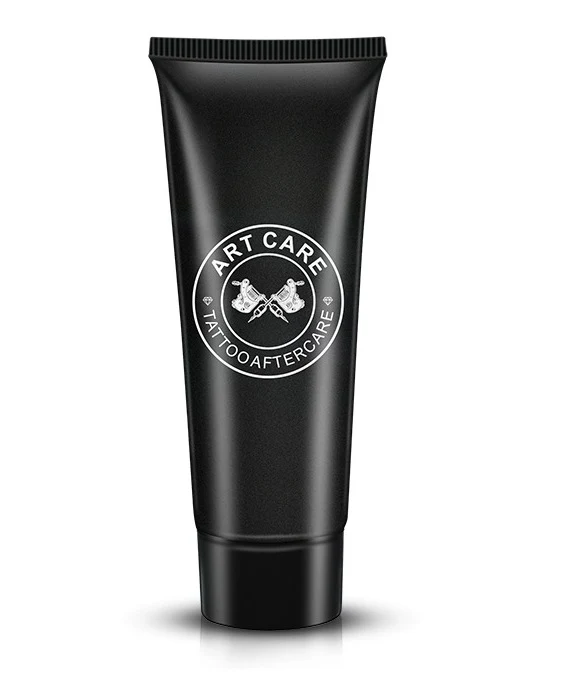

Your skin has just been through a lot. Fresh ink looks amazing, but underneath that vibrant design, your body is working overtime to heal thousands of tiny puncture wounds. The tattoo process creates controlled trauma that your skin needs to repair, and how you care for it in the coming weeks determines whether your artwork stays sharp or fades.
Understanding what’s happening beneath the surface helps you protect your investment. Tattoo aftercare isn’t just about slapping on some lotion and hoping for the best. It’s about supporting your skin’s natural healing process, preventing infection, and keeping colours vibrant. The right approach during those first weeks makes the difference between a tattoo that ages well and one requiring expensive touch-ups.
The First 24 Hours After Getting Inked
Immediate Inflammation Begins: Your skin reacts to tattooing like any other wound. Blood plasma and excess ink seep out, creating a shiny film over the fresh design. The area feels warm, looks red, and might swell slightly. This isn’t a problem; it’s your immune system responding to repair damage and protect against bacteria entering through broken skin.
Protective Covering Matters: Artists typically wrap fresh tattoos in plastic film or specialised bandages. This barrier keeps bacteria out during those vulnerable first hours when your skin is most susceptible to infection. Removing it early exposes healing tissue to environmental contaminants, clothing friction, and accidental bumps that could damage new ink settling into your dermis.
Days 2-6: When Scabbing and Peeling Start
Dryness Becomes Your Enemy: As healing progresses, your skin starts forming a protective layer over the tattooed area. This natural scabbing feels tight and itchy, tempting you to scratch or pick at it. Giving in to that urge pulls out ink particles along with the scab, leaving patchy spots that need touch-ups.
Skin Begins Flaking: Around day three or four, you’ll notice your tattoo starting to peel like a sunburn. Thin layers of dead skin come off, sometimes taking small amounts of colour with them. This stage looks alarming because the tattoo appears dull and faded, but it’s completely normal. What’s underneath is the healed ink.
Moisture Balance Prevents Damage: Keeping skin properly hydrated during this phase stops excessive scabbing and cracking. Dry scabs crack open, bleed, and create opportunities for infection or ink loss. The right moisturising routine maintains flexibility in healing tissue, allowing it to repair without forming thick crusts that interfere with results.
Understanding the Healing Timeline
Week One Challenges: The initial seven days bring the most dramatic changes. Your tattoo goes from looking perfect to appearing damaged and faded. People panic during this stage, thinking something went wrong. The reality is that surface healing happens quickly, but deeper skin layers take much longer to fully recover.
Weeks 2-4: Deeper Recovery: Once visible peeling stops, many people assume healing is complete and stop their aftercare routine. This mistake causes problems because the dermal layer is still repairing itself underneath seemingly healed surface skin. Maintaining proper care through this period ensures ink sets properly and colours remain true to the original design.
Common Aftercare Mistakes That Ruin Tattoos
Over-Washing Strips Natural Oils: Some people obsessively wash their new tattoos multiple times daily, thinking cleanliness is everything. Excessive washing removes the skin’s protective oils, causing severe dryness that leads to cracking and delayed healing. Two or three gentle cleanings per day provides adequate hygiene without damaging the healing process.
Wrong Product Choices Cause Reactions: Not all moisturisers work for healing tattoos. Products with heavy fragrances, alcohol, or petroleum-based ingredients can irritate sensitive healing skin or clog pores. Choosing aftercare creams specifically formulated for tattooed skin prevents adverse reactions that compromise both healing and appearance.
What Quality Aftercare Products Actually Provide
- Barrier protection that shields healing skin from environmental bacteria and irritants while allowing it to breathe and continue natural recovery.
- Moisturising compounds that prevent excessive dryness and cracking, keeping skin supple enough to heal without forming problematic thick scabs.
- Anti-inflammatory ingredients that calm redness and reduce swelling, making the healing process more comfortable and less dramatic.
- Skin-nourishing vitamins that support cellular repair and regeneration, helping tissue recover faster than it would on its own.
Signs Your Healing Is Off Track
Excessive Redness That Spreads: Normal inflammation stays contained to the tattooed area and fades within a few days. Redness that expands beyond the tattoo boundaries or intensifies after the first 48 hours suggests infection developing. Warmth, tenderness, and pus formation require immediate medical attention before serious complications develop.
Unusual Discharge or Odour: Clear plasma discharge is normal for the first day or two. Thick, yellowish, or greenish discharge with an unpleasant smell indicates bacterial infection. This situation demands professional medical evaluation because infected tattoos can lead to serious health complications and permanent scarring that destroys the artwork completely.
Long-Term Care After Initial Healing
Protection Becomes Routine: Even after your tattoo fully heals, ongoing care determines how it ages. Sun protection through sunscreen or clothing coverage prevents fading that dulls colours over years. Regular moisturising keeps skin healthy and maintains the clarity of lines and vibrancy of shading as your skin naturally changes.
Conclusion
Proper healing separates tattoos that look amazing for decades from those that fade within years. Your skin’s recovery process needs support through appropriate cleansing, moisturising, and protection from environmental damage during those critical first weeks. Investing in quality aftercare products designed specifically for tattooed skin gives your body the best chance to heal correctly and preserve your artwork. Take control of your tattoo’s future by committing to a consistent aftercare routine that respects your skin’s healing timeline.